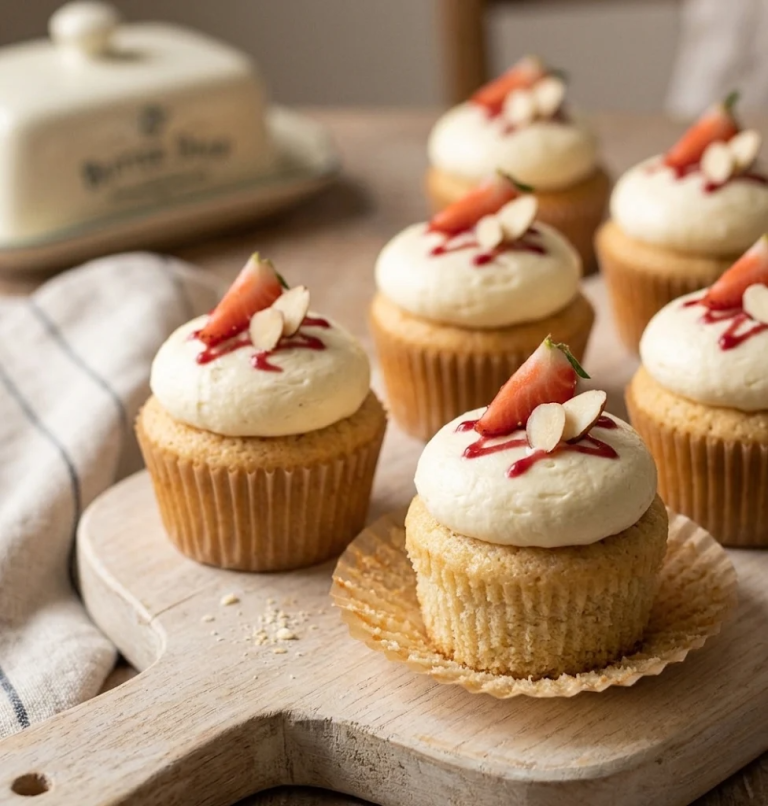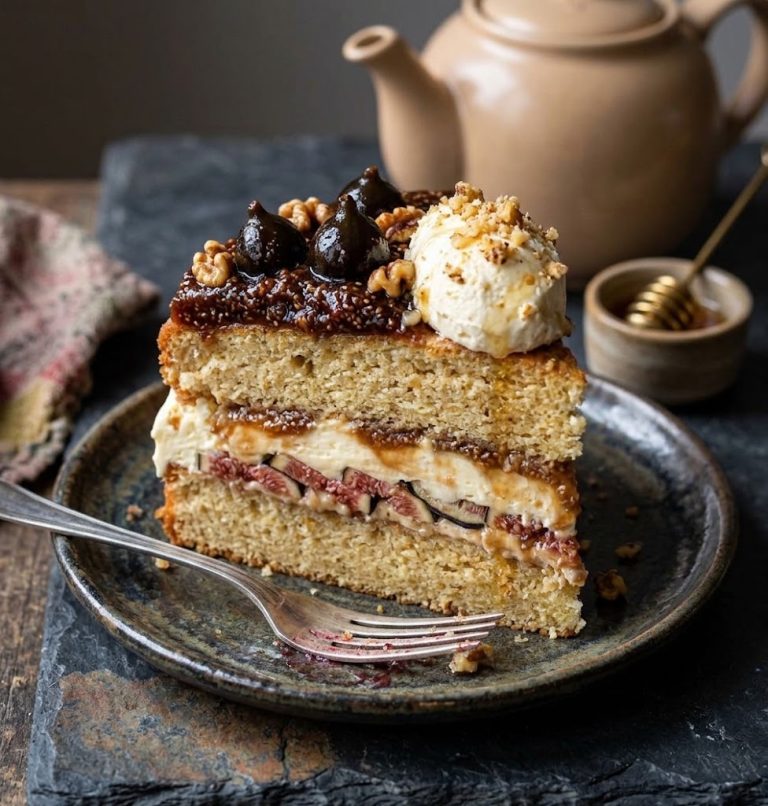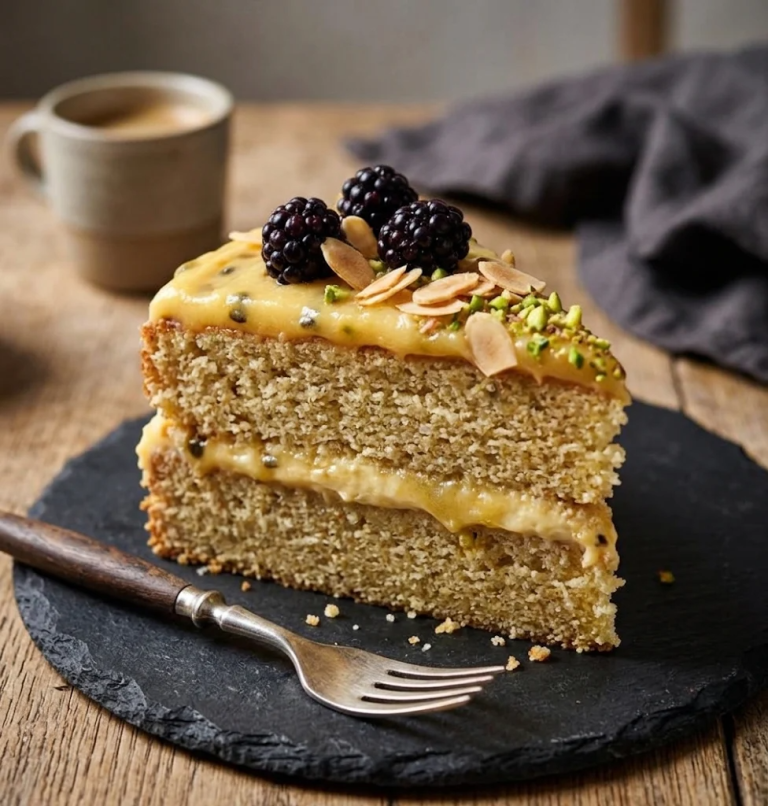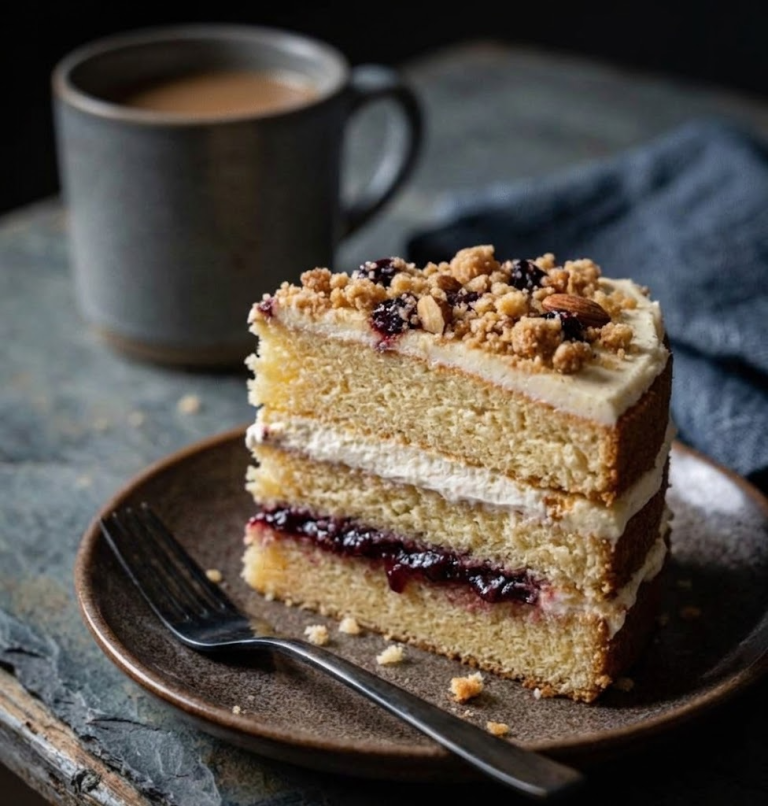

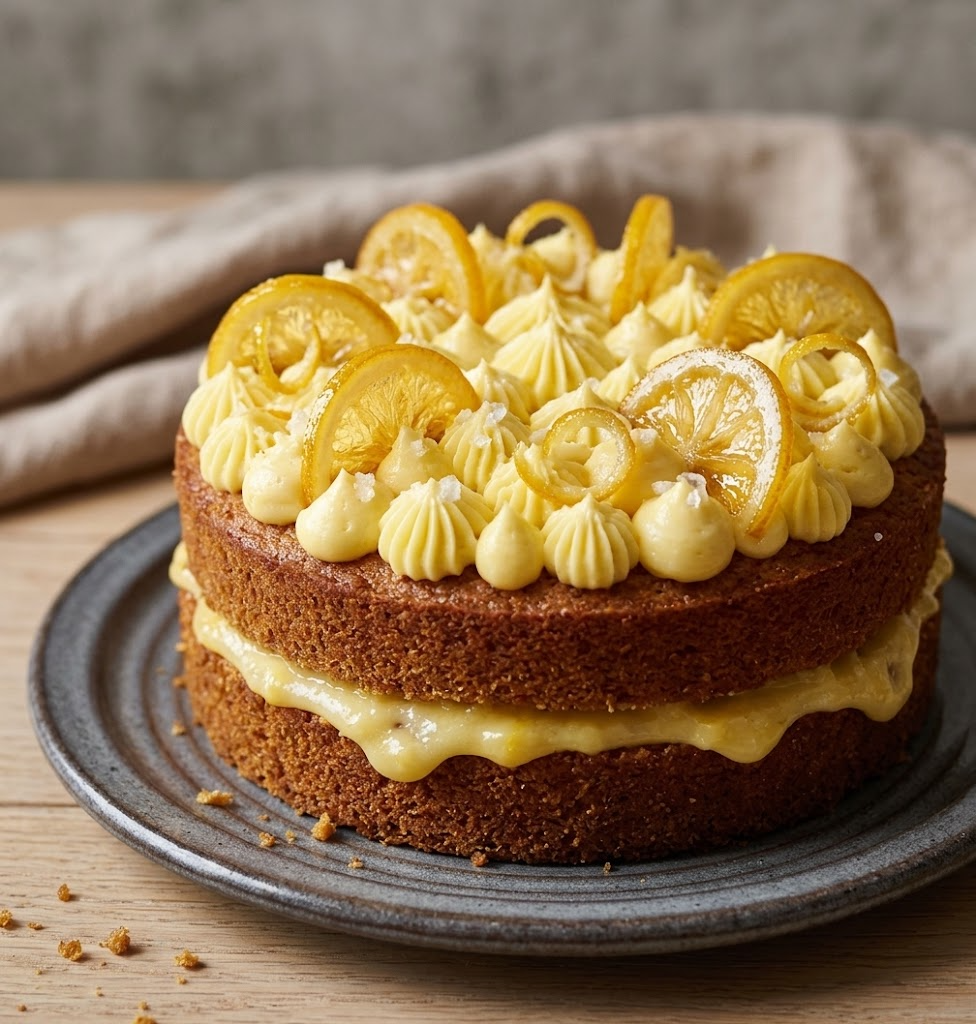
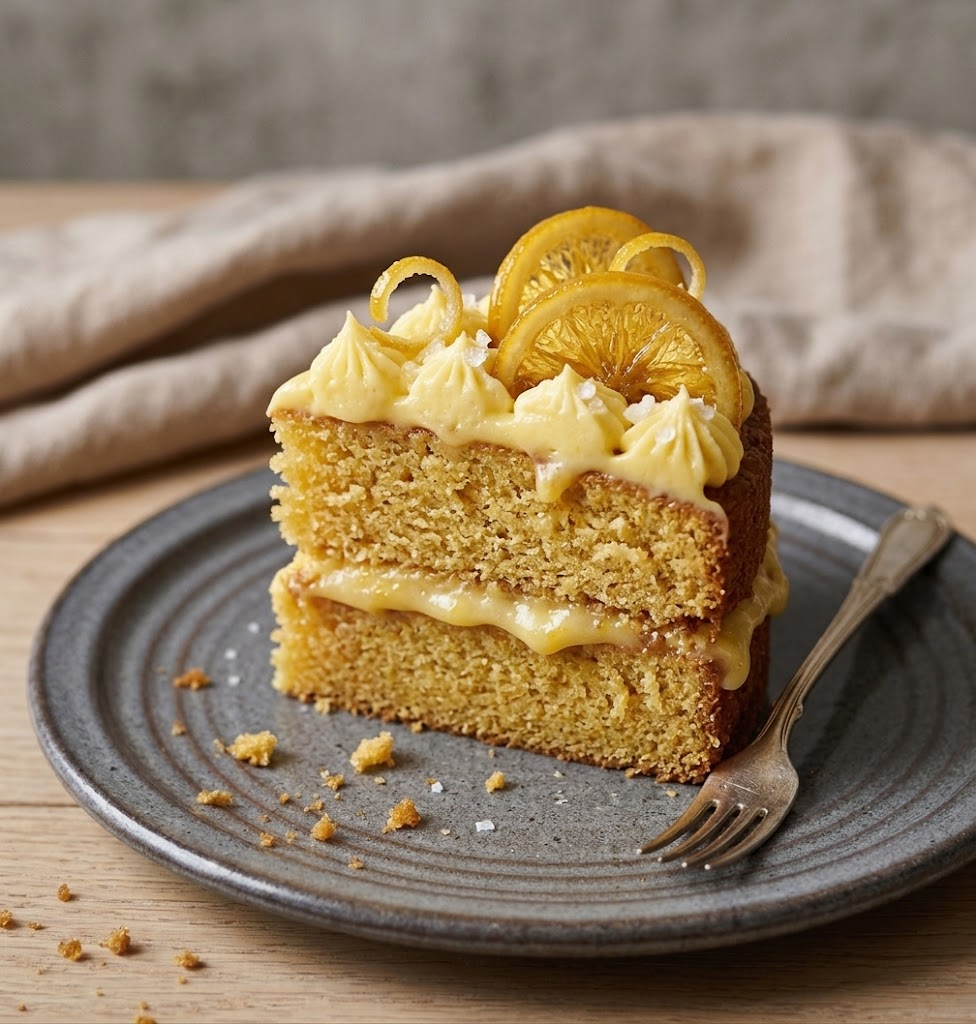
This Mary Berry-inspired lemon Victoria sponge is a light, buttery sandwich cake filled with lemon curd and softly whipped cream. Fresh lemon zest gives the tender sponge a bright flavour without making it too sharp. It is an easy bake for beginners, with a simple all-in-one batter and no complicated decorating. Allow about 1 hour 35 minutes in total, including cooling and assembly.
Ingredients
These quantities make one two-layer, 20cm cake, serving approximately 10 slices.
For the Lemon Sponge
- 225g unsalted butter, softened, plus a little extra for greasing
- 225g caster sugar
- 4 large eggs, at room temperature
- 225g self-raising flour
- 1 teaspoon baking powder
- Finely grated zest of 2 unwaxed lemons
- 2 tablespoons milk
For the Filling and Topping
- 200ml double cream, chilled
- 1 tablespoon icing sugar, plus 1 teaspoon for dusting
- 150g lemon curd
How to Make Mary Berry-Inspired Lemon Victoria Sponge
- Prepare the oven and tins: Preheat the oven to 180°C, or 160°C fan. Grease two 20cm round sandwich tins and line their bases with baking parchment.
- Mix the sponge batter: Put the softened butter, caster sugar, eggs, self-raising flour, baking powder, lemon zest and milk in a large mixing bowl. Beat with an electric mixer for 1 to 2 minutes, just until smooth and evenly combined. Scrape down the sides of the bowl if needed.
- Fill the tins: Divide the batter evenly between the prepared tins. Gently level the tops with a spatula or the back of a spoon.
- Bake the sponges: Bake on the middle shelf for 22 to 25 minutes, until golden and springy to the touch. A skewer inserted into the centre should come out clean. If the tins do not fit on one shelf, swap their positions towards the end of baking.
- Cool completely: Leave the cakes in their tins for 5 minutes. Run a knife around the edges, turn the sponges out onto a wire rack and peel off the parchment. Leave to cool completely, about 40 to 45 minutes.
- Whip the cream: Whisk the chilled double cream with 1 tablespoon of icing sugar until it holds soft peaks. Stop as soon as the cream holds its shape so it stays smooth and spreadable.
- Assemble the cake: Place one sponge on a serving plate and spread it with the lemon curd, leaving a small border around the edge. Spoon the whipped cream over the curd and gently spread it out. Place the second sponge on top.
- Finish and serve: Dust the top with the remaining teaspoon of icing sugar. Slice and serve, or refrigerate until needed.
Tips for a Light Lemon Victoria Sponge
Why Is My Sponge Dense?
Cold, firm butter can leave lumps in an all-in-one batter, while overmixing can make the sponge heavy. Use butter soft enough to press with a fingertip, bring the eggs to room temperature and stop mixing as soon as the batter is smooth.
How Do I Keep the Cake From Sinking?
Make sure the oven is fully preheated and avoid opening the door during the first 20 minutes. Check that the centres spring back gently before removing the cakes from the oven.
How Can I Get More Lemon Flavour?
Finely grate only the yellow part of the lemon peel, as the white pith underneath can taste bitter. For a sharper filling, choose a tangy lemon curd or add a little extra curd when assembling.
How Do I Stop the Cream From Melting?
Wait until both sponge layers are completely cool before adding the filling. Keep the cream chilled until you are ready to whip it, and refrigerate the assembled cake if you are not serving it straight away.
Serving Suggestions
- Serve a slice with a pot of English breakfast tea or Earl Grey.
- Add fresh raspberries or sliced strawberries for a fruity contrast.
- Serve with a spoonful of extra lemon curd for a sharper citrus flavour.
- Pair with fresh berries for an easy afternoon tea spread.
Storage
Room Temperature
Keep unfilled sponge layers in an airtight container at room temperature for up to 2 days. Once filled with whipped cream, do not leave the cake at room temperature for more than 2 hours, or 1 hour in very hot conditions.
Refrigerator
Store the assembled cake covered in the refrigerator for up to 2 days. For the softest texture, let each slice stand at room temperature for about 15 to 20 minutes before serving, without exceeding the room-temperature limits above.
Freezing
Freeze the unfilled, completely cooled sponge layers for up to 3 months. Wrap each layer well, then place in a freezer bag or airtight container. Thaw at room temperature while still wrapped, and add fresh cream and lemon curd before serving.
Nutrition
Approximate values per slice, based on 10 slices:
- Calories: 415 kcal
- Carbohydrates: 43g
- Protein: 5g
- Fat: 25g
- Saturated fat: 15g
- Sodium: 170mg
Nutrition values are estimates and will vary depending on ingredient brands and portion sizes.
FAQs
Can I make lemon Victoria sponge ahead of time?
Yes. Bake the sponge layers up to 2 days ahead and keep them in an airtight container at room temperature. Fill with lemon curd and freshly whipped cream on the day you plan to serve.
Can I use plain flour instead of self-raising flour?
Yes. For 225g plain flour, use 3 teaspoons of baking powder in total, rather than the 1 teaspoon listed in the recipe. Sift them together before mixing.
Can I use lemon buttercream instead of whipped cream?
Yes. Spread a layer of lemon buttercream over the lemon curd instead of the whipped cream. Use a modest amount so the filling does not overpower the sponge.
Why did my Victoria sponge not rise evenly?
Unevenly divided batter, an oven that is not level or inconsistent oven heat can cause uneven layers. Divide the batter carefully, level the tops and bake the tins on the middle shelf when possible.
Can I use bottled lemon juice in the sponge?
This sponge gets its lemon flavour from zest rather than juice. Bottled juice will not replace the fragrant oils in fresh zest, so fresh lemons are the better choice.
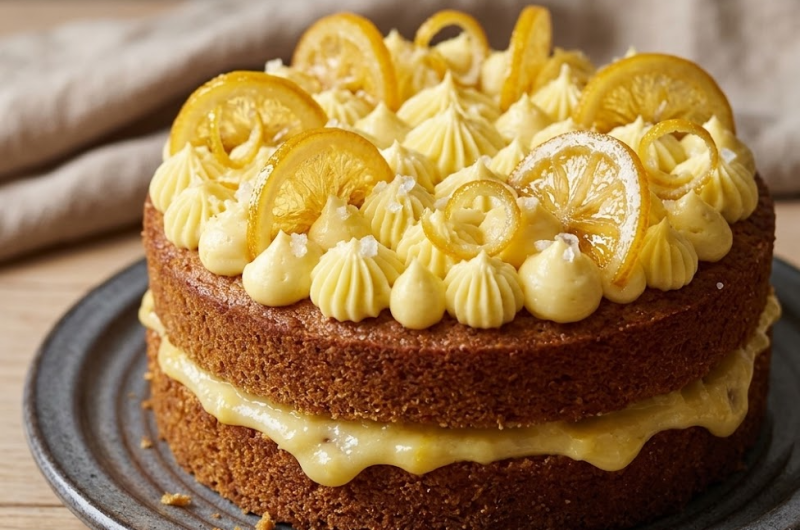
Mary Berry-Inspired Lemon Victoria Sponge
Course: DessertCuisine: BritishDifficulty: Easy4
servings30
minutes40
minutes300
kcal1
hour10
minutesA light lemon sponge sandwich filled with tangy lemon curd and softly whipped cream.
Ingredients
225g unsalted butter, softened, plus extra for greasing
225g caster sugar
4 large eggs, at room temperature
225g self-raising flour
1 teaspoon baking powder
Finely grated zest of 2 unwaxed lemons
2 tablespoons milk
200ml double cream, chilled
1 tablespoon icing sugar, plus 1 teaspoon for dusting
150g lemon curd
Directions
- Preheat the oven to 180°C, or 160°C fan. Grease two 20cm round sandwich tins and line the bases with baking parchment.
- Beat the butter, caster sugar, eggs, flour, baking powder, lemon zest and milk together for 1 to 2 minutes, just until smooth.
- Divide the batter evenly between the tins and gently level the tops.
- Bake for 22 to 25 minutes, until golden and springy. A skewer inserted into the centre should come out clean.
- Cool in the tins for 5 minutes, then turn out onto a wire rack, remove the parchment and cool completely.
- Whisk the chilled double cream with 1 tablespoon icing sugar until it holds soft peaks.
- Spread one sponge with lemon curd, then gently spread the whipped cream over it. Place the second sponge on top.
- Dust with 1 teaspoon icing sugar. Serve or refrigerate until needed.
Notes
- Allow approximately 40 to 45 minutes for the sponges to cool before filling.
- Use softened butter and room-temperature eggs for a smooth batter.
- Refrigerate the cream-filled cake for up to 2 days.
- Freeze unfilled sponge layers for up to 3 months.
“`